YOUR TRUSTED SOURCE FOR HYPNOSIS, HYPNOTHERAPY AND PERSONAL GROWTH INSIGHTS

How Deep Sleep Hypnosis Became the Most Downloaded Wellness Tool of the Decade
What started as a late-night desperation search became a global wellness revolution. Deep sleep hypnosis didn’t go viral because of hype — it spread because millions of exhausted people discovered it actually worked. Backed by neuroscience, fueled by the sleep crisis, and accelerated by the pandemic, it quietly became one of the most downloaded wellness tools of the decade. From brain scans to billions of listens, this is the story of how hypnosis went from fringe curiosity to mainstream sleep solution.
HYPNOSIS
David C
5/9/202610 min read
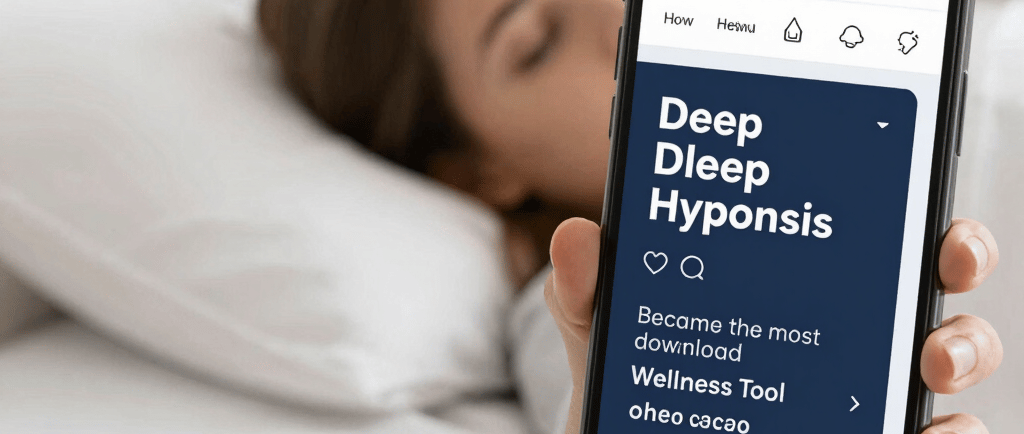
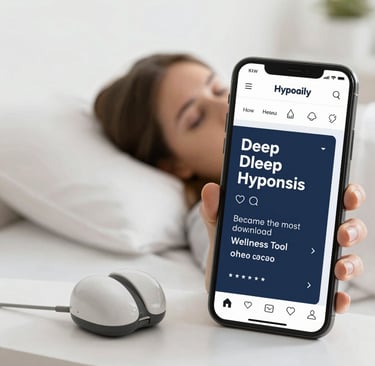
How Deep Sleep Hypnosis Became the Most Downloaded Wellness Tool of the Decade
It didn't start with a viral moment or a celebrity endorsement. It started with millions of exhausted people, lying in the dark, quietly desperate for something that actually worked.
The Sleeplessness Epidemic Nobody Saw Coming
In 2016, the CDC declared insufficient sleep a public health epidemic.
Not a trend. Not a lifestyle issue. An epidemic.
At that point, roughly 1 in 3 American adults were regularly sleeping less than the recommended 7 hours. Globally, the numbers were equally grim. The World Health Organization estimated that two-thirds of adults in developed nations were failing to meet basic sleep needs.
The consequences weren't abstract. Sleep deprivation was being linked — through hard, replicable science — to Alzheimer's disease, cardiovascular failure, metabolic disorders, depression, anxiety, immune collapse, and dramatically shortened lifespan.
People were scared. And they were looking for solutions.
The supplement industry responded first — and loudly. Melatonin sales tripled between 2016 and 2020. Sleep supplement revenue crossed $800 million annually in the US alone. Weighted blankets sold out globally. Blue-light glasses became a fashion statement.
And yet — people were still not sleeping.
Because the problem was never just chemical. It was neurological. It was psychological. It was the relentless, hyperconnected, always-on architecture of modern life pressing directly against the ancient, fragile machinery of human sleep.
Into that gap — quietly, then suddenly — walked deep sleep hypnosis.
The Numbers That Surprised Everyone
By 2023, sleep hypnosis content had become one of the most consumed categories across every major audio and wellness platform.
Consider the scale:
- YouTube sleep hypnosis videos routinely accumulate 10–50 million views — with some individual videos crossing 100 million
- Spotify reported sleep and hypnosis content among its fastest-growing podcast and audio categories between 2020 and 2023
- Insight Timer, the meditation app, saw sleep hypnosis become its single most-played content category — surpassing guided meditation, breathwork, and music
- Calm and Headspace both significantly expanded their hypnosis sleep libraries after user data showed hypnosis sessions had dramatically higher completion rates and return usage than standard sleep meditations
- The search term "sleep hypnosis" grew by over 300% on Google between 2018 and 2023
These aren't niche numbers. These are mainstream, mass-adoption numbers — the kind that signal a genuine cultural shift rather than a passing wellness trend.
Something real was happening. And to understand it, you have to understand what people were experiencing when they tried it.
The Turning Point: When Science Caught Up With Experience
For most of the 20th century, hypnosis occupied an uncomfortable cultural position — somewhere between stage entertainment and fringe therapy. Serious scientists avoided it. Medical institutions dismissed it. The public associated it with swinging pocket watches and theatrical compliance.
Then the brain scanners arrived.
Beginning in the early 2000s and accelerating through the 2010s, fMRI and EEG technology allowed researchers to observe the hypnotized brain in real time — and what they saw dismantled decades of skepticism in a remarkably short period.
2004: Stanford's Dr. David Spiegel published neuroimaging data showing hypnosis produced distinct, measurable, and replicable changes in brain activity — not placebo, not performance, not imagination. Real neurological state change.
2014: The University of Zurich's landmark study demonstrated that hypnotic suggestion increased slow-wave sleep by 80% in napping subjects — a finding so significant it was covered by mainstream science media worldwide.
2016: Spiegel's team published further Stanford research identifying the specific brain networks altered during hypnosis — including reduced default mode network activity and altered thalamo-cortical communication — providing a clear mechanistic explanation for hypnosis's effects.
2019–2021: A wave of studies from Harvard, MIT, and European research centers confirmed hypnosis's effects on memory consolidation, pain management, anxiety reduction, and sleep architecture.
The scientific rehabilitation of hypnosis was complete. And the timing — landing precisely as the sleep crisis was peaking — was everything.
> "We now have robust neuroimaging evidence that hypnosis is a real and distinct neurological state. The skepticism was always based on absence of evidence, not evidence of absence."
> — Dr. David Spiegel, Stanford University School of Medicine
The Pandemic Accelerant
If the science provided the foundation, COVID-19 provided the rocket fuel.
The pandemic did something unprecedented to human sleep on a global scale. It simultaneously:
- Destroyed routine — the circadian anchor that regulates sleep timing
- Exploded anxiety — flooding the nervous system with the cortisol that suppresses deep sleep
- Eliminated physical activity — reducing the adenosine buildup that drives sleep pressure
- Merged work and home environments — eliminating the psychological separation that allows the brain to transition into sleep mode
- Increased screen time dramatically — suppressing melatonin and delaying sleep onset
Sleep disorders spiked globally. Researchers coined the term "coronasomnia" to describe the wave of pandemic-induced insomnia sweeping through populations worldwide.
And people — locked in their homes, anxious, sleepless, and increasingly skeptical of pharmaceutical solutions — turned to their phones.
Downloads of sleep and wellness apps increased by over 25% in the first months of the pandemic. Within those apps, hypnosis content saw disproportionate growth — because it offered something that meditation, white noise, and sleep stories couldn't quite deliver:
A direct, deliberate intervention on the nervous system state that was keeping people awake.
Not distraction. Not masking. Not chemical sedation.
A genuine neurological shift — accessible, free, and available at 2 AM when the anxiety was loudest.
Why It Works When Everything Else Doesn't
To understand the mass adoption of sleep hypnosis, you have to understand the specific failure mode of modern sleeplessness.
Most people who struggle with sleep don't have a melatonin deficiency. They don't have a magnesium problem. They don't need white noise or a cooler room or a better mattress.
They have an overactivated nervous system that refuses to downshift.
The technical term is hyperarousal — a state in which the brain's threat-detection and stress-response systems remain chronically elevated, preventing the neurological transition into deep, restorative sleep stages.
Hyperarousal produces:
- Racing thoughts at bedtime
- Inability to "turn off" the mind
- Waking at 3 AM with anxiety
- Light, fragmented sleep that leaves you exhausted
- The frustrating experience of being physically tired but mentally wired
Standard sleep interventions address the symptoms of hyperarousal. Melatonin adjusts timing. White noise masks disturbances. Chamomile tea relaxes muscles.
Hypnosis addresses the source.
By directly engaging the parasympathetic nervous system, quieting the default mode network, reducing amygdala hyperactivity, and rapidly lowering cortisol — hypnosis dismantles hyperarousal at its neurological root.
This is why people who have tried everything else — every supplement, every sleep hygiene protocol, every white noise machine — often describe their first experience with sleep hypnosis as something close to revelation.
Not because it's magic. Because it's the first intervention that actually targets what's wrong.
"I'd tried melatonin, magnesium, every supplement. I'd done sleep restriction therapy. Nothing worked consistently. The first night I tried sleep hypnosis, I was in deep sleep within 20 minutes. I genuinely didn't understand what had happened."
— Representative user experience, echoed across thousands of reviews on Calm, Insight Timer, and YouTube
The Voices That Built the Movement
No cultural phenomenon emerges from science alone. Deep sleep hypnosis needed voices — practitioners who could translate complex neuroscience into accessible, trustworthy audio experiences.
Several figures became central to the movement's growth:
Michael Sealey — An Australian hypnotherapist whose YouTube channel became one of the most-watched sleep resources on the internet, accumulating hundreds of millions of views across his sleep hypnosis library. His calm, measured delivery and evidence-informed scripts built a global following of people who credit his work with transforming their sleep.
Dr. Michael Yapko — A clinical psychologist and hypnosis researcher whose academic work bridged the gap between clinical hypnotherapy and accessible sleep intervention, lending scientific credibility to the broader movement.
Andrew Johnson — A Scottish hypnotherapist whose sleep apps consistently ranked among the top wellness downloads across multiple platforms, demonstrating that hypnosis could translate effectively from the therapy room to the smartphone.
The Calm and Headspace teams — Both platforms invested significantly in hypnosis content after user data revealed that hypnosis sessions produced measurably better sleep outcomes — and dramatically higher user retention — than other sleep content categories.
What these voices shared was a commitment to grounding hypnotic practice in science rather than mysticism — speaking to an audience that was educated, skeptical, and desperate for something real.
The Data Behind the Downloads
The anecdotal explosion of sleep hypnosis was eventually followed by the data to explain it.
A 2022 meta-analysis published in the Journal of Sleep Research examined 24 controlled studies on hypnosis and sleep, concluding that hypnotic intervention produced significant improvements in:
- Sleep onset latency (time to fall asleep)
- Slow-wave sleep duration and quality
- Subjective sleep quality ratings
- Next-day cognitive performance
- Anxiety and arousal levels at bedtime
Crucially, the analysis found that audio-delivered hypnosis — the format driving the download numbers — produced comparable results to in-person hypnotherapy for sleep outcomes specifically.
This was the scientific validation the movement needed. You didn't need a therapist's office. You didn't need an expensive practitioner. You needed a well-designed audio file and a willingness to engage.
The barrier to entry collapsed. The downloads accelerated.
Consumer sleep tracker data added another layer of confirmation. Oura Ring and Whoop users who reported regular sleep hypnosis practice showed measurably higher slow-wave sleep percentages and lower resting heart rates during sleep — objective physiological data aligning with the subjective reports flooding app review sections.
The Neuroscience That Sealed the Deal
For a generation raised on evidence-based thinking — skeptical of wellness trends, allergic to pseudoscience — the neuroscience of hypnosis was the decisive factor.
When people understood why it worked, the remaining resistance dissolved.
The key insights that spread through science journalism, podcasts, and social media:
The Default Mode Network finding — The discovery that hypnosis quiets the brain's rumination network — the same network responsible for the racing thoughts that keep people awake — gave millions of insomniacs a framework for understanding their own experience. Their problem wasn't weakness or bad habits. It was an overactive neural network. And hypnosis could quiet it.
The cortisol mechanism — Understanding that a single hypnotic session could produce cortisol reductions comparable to weeks of meditation practice reframed hypnosis from "relaxation technique" to "neurological intervention." For people whose sleeplessness was driven by chronic stress, this was transformative.
The slow-wave sleep data — The University of Zurich's 80% increase finding became one of the most-shared statistics in wellness media between 2019 and 2023. It was specific, dramatic, and impossible to dismiss. No supplement had ever produced a comparable result.
Matthew Walker's influence — The UC Berkeley neuroscientist's 2017 book Why We Sleep became a global phenomenon, educating millions about sleep architecture and the catastrophic consequences of its disruption. Walker's work created an audience primed to understand and seek out interventions that specifically targeted sleep architecture — exactly what hypnosis offered.
> "Once people understood that sleep architecture — not just sleep duration — was what determined whether they woke restored or wrecked, they started asking different questions. And hypnosis had the best answers."
The Social Proof Cascade
Science explains why sleep hypnosis works. But social proof explains why it spread.
The pattern followed a now-familiar digital cascade:
Phase 1 — The Desperate Early Adopters (2015–2018)
People who had exhausted conventional options — chronic insomniacs, anxiety sufferers, shift workers, new parents — discovered sleep hypnosis through late-night YouTube searches. Many experienced dramatic results. They left reviews. They told friends. They posted in Reddit communities like r/insomnia and r/sleep.
Phase 2 — The Wellness Community Amplification (2018–2020)
Health podcasters, wellness influencers, and biohacking communities picked up the signal. Sleep hypnosis appeared on shows like Huberman Lab, The Tim Ferriss Show, and The Model Health Show — reaching audiences of millions who were already primed to engage with evidence-based wellness interventions.
Phase 3 — The Pandemic Explosion (2020–2021)
Coronasomnia drove mass adoption. People who would never have described themselves as "into hypnosis" found themselves downloading sleep hypnosis apps at 2 AM out of pure desperation — and staying because it worked.
Phase 4 — The Mainstream Normalization (2021–Present)
Sleep hypnosis appeared in mainstream publications — The New York Times, The Guardian, TIME Magazine, Vogue. Celebrities discussed it openly. Corporate wellness programs began incorporating it. The stigma evaporated almost entirely.
The journey from fringe to mainstream took roughly a decade. In wellness terms, that's remarkably fast.
What Made It Stick (When Other Trends Faded)
The wellness industry is a graveyard of trends. Detox teas. Infrared saunas. Alkaline water. Most arrive with fanfare and fade within a cycle or two.
Deep sleep hypnosis didn't fade. It grew — consistently, year over year, across every platform and demographic.
Three factors explain its staying power:
1. It produces results people can feel immediately.
Unlike supplements that require weeks of consistent use, or behavioral interventions that demand months of habit formation, sleep hypnosis often produces noticeable effects on the first or second night. That immediate feedback loop drives return usage and word-of-mouth in ways that slow-burn interventions cannot match.
2. It's free or nearly free.
The most effective sleep hypnosis content on YouTube costs nothing. This removed the financial barrier that limits adoption of many wellness tools and allowed the practice to spread across economic demographics in ways that premium supplements and devices cannot.
3. The science kept getting stronger.
Most wellness trends peak when the science fails to materialize or contradicts early claims. Sleep hypnosis experienced the opposite — each year brought new studies confirming and expanding the evidence base. The scientific tailwind never stopped.
Where It's Going Next
The decade of growth has positioned sleep hypnosis at the center of several converging technological and scientific frontiers.
Wearable Integration
Sleep trackers are beginning to integrate with hypnosis apps — using real-time sleep stage data to trigger specific audio content at optimal moments. Imagine a system that detects your transition into N2 sleep and automatically plays a slow-wave enhancement suggestion precisely when your brain is most receptive.
Clinical Mainstreaming
The American Psychological Association and multiple national medical bodies have updated their positions on clinical hypnosis, increasingly recognizing it as an evidence-based intervention for sleep disorders, anxiety, and chronic pain. Insurance coverage is expanding. Medical schools are adding hypnosis training. The clinical infrastructure is catching up with the consumer adoption.
Neurofeedback-Guided Sessions
Research labs are developing protocols that combine real-time EEG neurofeedback with hypnotic induction — allowing practitioners to observe and guide the brain's state in real time, optimizing the hypnotic depth for maximum sleep architecture benefit.
> "We're moving from 'hypnosis as audio content' to 'hypnosis as precision neurological intervention.' The next decade will look very different from the last."
> — Emerging consensus among sleep technology researchers
The Bigger Story
The rise of deep sleep hypnosis is about more than a wellness trend finding its moment.
It's about a fundamental shift in how people understand their own minds.
For most of human history, the internal states of the brain — the neurological conditions that determine sleep quality, emotional resilience, cognitive performance, and physical health — were considered fixed. You either slept well or you didn't. You were either anxious or you weren't. The brain did what it did, and you lived with it.
The neuroscience of hypnosis dismantled that assumption.
It demonstrated — with EEG data and brain scans and controlled trials — that the brain's states are malleable. That the architecture of sleep can be deliberately shaped. That the nervous system can be guided, through nothing more than carefully structured language and focused attention, into states of profound restoration.
That is not a small discovery. That is a paradigm shift.
And millions of people — lying in the dark, headphones in, finally drifting into the deep sleep that had eluded them for years — are living proof of it.
#SleepHypnosis #DeepSleep #WellnessTrends #SleepScience #HypnosisWorks #SleepOptimization #MindBodyScience #Neuroscience #SleepArchitecture #DigitalWellness #MentalHealth #SleepDisorders #Coronasomnia #BrainHealth #HypnoticSleep #WellnessRevolution #SleepTech #EvidenceBasedWellness #RestorativeSleep #SleepCulture
Key Sources:CDC Sleep Health Data | University of Zurich (*Sleep*, 2014) | Stanford
©2026 HypnoSyncSpace. All rights reserved.
HypnoSyncSpace is based in Bristol, United Kingdom
davidc@hypnosync.space
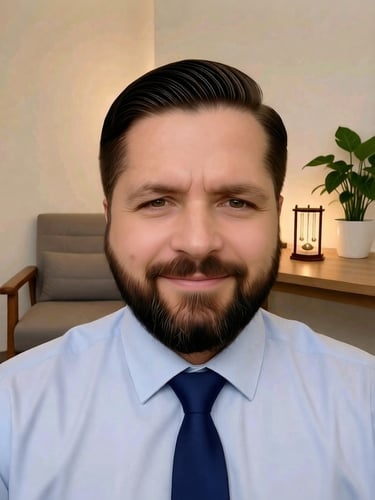
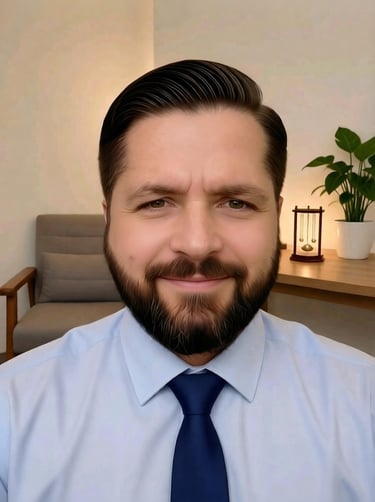
My name is David Chmielewski, a hypnotherapist by nature, at heart and by choice. I believe that real change starts with genuine connection. My mission is to help you sync your mind and rediscover your inner strength through compassionate, expert-led hypnotherapy.
I am qualified hypnotherapist holding a Diploma in Hypnotherapy (DHP Acc.Hyp.) and is a Full Member of the Professional Hypnotherapy Practitioner Association (PHPA), an organisation whose members are committed to high professional standards, ethical practice, and continued professional development.